
No products in the cart.
Return To Shop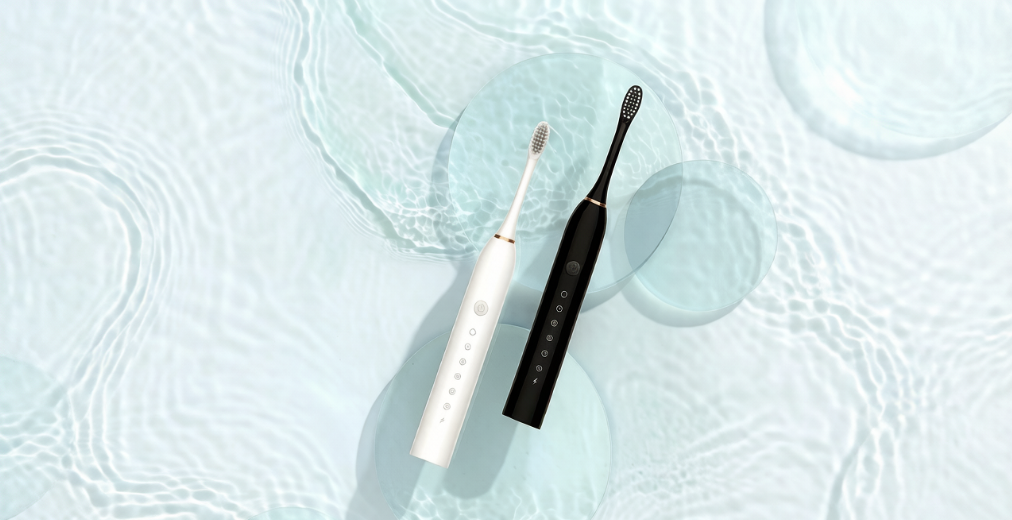
Sonic Electric Toothbrush vs Manual Toothbrush: What’s the Real Difference?
For decades, the manual toothbrush was the only option for daily dental hygiene. Then came electric toothbrushes, and more recently, sonic technology has revolutionized how we clean our teeth. But with so many choices available, you might wonder: Is a sonic electric toothbrush really worth the investment? How different is it from a simple manual brush? This article breaks down the key differences Electric Toothbrush vs Manual Toothbrush, helping you make an informed decision for your oral health.
1. Cleaning Mechanism: Manual vs Sonic Technology
Manual Toothbrush
A manual toothbrush relies entirely on your physical effort. You control the speed, pressure, and brushing motion. To achieve effective cleaning, you must use proper technique—holding the brush at a 45-degree angle to your gums and using short back-and-forth strokes. The cleaning action is limited to the areas where bristles directly contact tooth surfaces.
Sonic Electric Toothbrush
The X-7 Sonic Electric Toothbrush generates high-frequency vibrations ranging from 32,000 to 46,000 movements per minute. This rapid oscillation creates what dental professionals call “dynamic fluid action.” The vibrating motion agitates fluids in your mouth—saliva and toothpaste mixture—forcing them between teeth and along the gum line at high speed. This means the X-7 cleans not only where bristles touch but also in the spaces between teeth and below the gum line.
The fundamental difference is that sonic technology cleans beyond bristle contact, while manual brushing only cleans surfaces you physically reach.
2. Plaque Removal Effectiveness
Manual Toothbrush
Studies consistently show that manual toothbrushes can remove plaque effectively when used with proper technique. However, achieving that technique consistently requires practice and discipline. Many people rush through brushing or miss difficult areas like back molars and the tongue-side of lower teeth.
Sonic Electric Toothbrush
Clinical research indicates that sonic toothbrushes remove significantly more plaque than manual brushes, particularly in hard-to-reach areas. The X-7’s high-frequency vibrations break down plaque biofilm more effectively than manual scrubbing. For users with braces, crowns, or other dental work, sonic technology proves especially valuable for cleaning around appliances.
The X-7’s six cleaning modes allow you to customize intensity based on your needs, ensuring thorough plaque removal without damaging enamel or irritating gums.
3. Gum Health and Bleeding
Manual Toothbrush
Manual brushing depends heavily on user pressure control. Many people brush too hard, believing aggressive scrubbing cleans better. This often leads to gum recession, enamel wear, and increased sensitivity. Conversely, brushing too softly may leave plaque behind, contributing to gum inflammation.
Sonic Electric Toothbrush
Sonic toothbrushes like the X-7 require minimal pressure. The high-speed vibrations do the work, so you simply guide the brush head along your teeth. This reduces the risk of over-brushing while maintaining cleaning effectiveness.
When first switching from manual to sonic brushing, some users experience temporary gum bleeding. This typically indicates gums adjusting to deeper cleaning and improved circulation. If bleeding continues beyond one week, however, it may signal underlying gum issues requiring dental consultation.
4. Time Efficiency and Brushing Habits
Manual Toothbrush
Most people underestimate how long they brush. Dental professionals recommend two minutes of brushing, twice daily, yet average brushing time among manual users falls well below this standard. Without a built-in timer, manual brushing relies on your internal clock, which rarely proves accurate.
Sonic Electric Toothbrush
The X-7 helps establish proper brushing habits through consistent operation. While specific models may include timing features, even basic sonic brushes encourage thorough cleaning because their efficiency means you cover more surface area in less time. Many users find they brush longer and more consistently with electric toothbrushes simply because the device guides the process.
5. Accessibility and Ease of Use
Manual Toothbrush
Manual brushes offer simplicity and zero learning curve. Anyone can use one immediately. However, for individuals with limited mobility—including those with arthritis, carpal tunnel syndrome, or developmental disabilities—manual brushing can prove challenging or ineffective.
Sonic Electric Toothbrush
Sonic toothbrushes reduce the physical effort required for effective cleaning. The brush performs the complex movements; you only need to position it correctly. This makes the X-7 particularly suitable for:
Elderly users with reduced dexterity
Individuals with braces or orthodontic appliances
People recovering from hand or wrist injuries
Children learning proper brushing technique (ages 6 and above with supervision)
6. Cost Considerations
Manual Toothbrush
Manual toothbrushes cost significantly less upfront, typically ranging from two to five dollars. Replacement heads are equally affordable. For budget-conscious consumers, this remains an attractive option.
Sonic Electric Toothbrush
The initial investment for a quality sonic toothbrush like the X-7 is higher. However, considering the long-term value, the cost difference narrows:
More effective plaque removal may reduce dental bills over time
Replacement brush heads cost less than buying whole new manual brushes
Better gum health potentially prevents expensive periodontal treatments
The X-7’s durable construction and long battery life (approximately 60 days per charge) also contribute to its overall value proposition.
7. Environmental Impact
Manual Toothbrush
Standard manual toothbrushes contribute significantly to plastic waste. Replacing them every three months means four brushes per person annually. While some biodegradable options exist, most manual brushes end up in landfills.
Sonic Electric Toothbrush
Electric toothbrushes have a different environmental footprint. The handle lasts for years, reducing overall plastic consumption. Only the small brush heads require replacement every three months. Additionally, the X-7 features rechargeable battery operation, eliminating disposable battery waste compared to some electric models.
8. Portability and Travel Convenience
Manual Toothbrush
Manual brushes travel easily. They require no charging, take minimal space, and work anywhere without electricity. A simple protective case suffices for hygiene during transit.
Sonic Electric Toothbrush
The X-7 offers excellent portability features:
- USB charging capability works with power banks, laptops, or standard wall adapters
- 60-day battery life means frequent travelers may not need to pack a charger at all
- IPX-7 waterproof rating ensures safe use in hotel bathrooms without worry
For extended travel, the X-7’s long endurance between charges surpasses many competitors.
9. Safety Considerations
Manual Toothbrush
Manual brushes present minimal safety risks when used properly. However, aggressive brushing can cause tissue damage, and sharing brushes spreads bacteria.
Sonic Electric Toothbrush
The X-7 includes important safety considerations:
- Not recommended for children under 6 years old
- Keep away from infants; not a toy
- New users should start with gentler modes to allow gum adaptation
- Users with serious oral conditions should consult dentists before use
- If persistent bleeding occurs, discontinue use and seek professional advice
Proper installation matters too: align the brush head directly with the metal shaft without twisting to maintain optimal vibration and prevent damage.
10. Which One Should You Choose?
Your choice between manual and sonic electric brushing depends on several factors:
Choose a manual toothbrush if:
- You have very limited budget
- You prefer complete control over brushing motion
- You travel extremely lightly and cannot accommodate charging
- You have no mobility issues and maintain excellent brushing technique
Choose the X-7 Sonic Electric Toothbrush if:
- You want maximum plaque removal with less effort
- You struggle with proper manual brushing technique
- You have braces, implants, or other dental work
- You experience gum sensitivity or bleeding
- You want to establish better brushing habits
- You value long-term oral health investment
Conclusion: The Difference Matters
The difference between sonic electric and manual toothbrushes extends far beyond power source versus manual effort. Sonic technology fundamentally changes how cleaning happens—from mechanical scrubbing to fluid dynamics that reach where bristles cannot.
The X-7 Sonic Electric Toothbrush represents this advanced approach to oral care. With six customizable cleaning modes, long battery life, and clinically effective sonic technology, it offers clear advantages for most users. While manual brushes remain a valid, affordable option, sonic brushing provides superior plaque removal, better gum stimulation, and easier use for people of all ages and abilities.
Your smile deserves the best care available. Consider making the switch to sonic technology and experience the difference for yourself.
*Ready to upgrade your oral care routine? The X-7 Sonic Electric Toothbrush combines professional-grade cleaning with everyday convenience. Visit our product page or contact us for more information about finding the right model for your needs.*


One comment
driftwoodAuthor
I definitely brush too hard with a manual—guilty.