
No products in the cart.
Return To Shop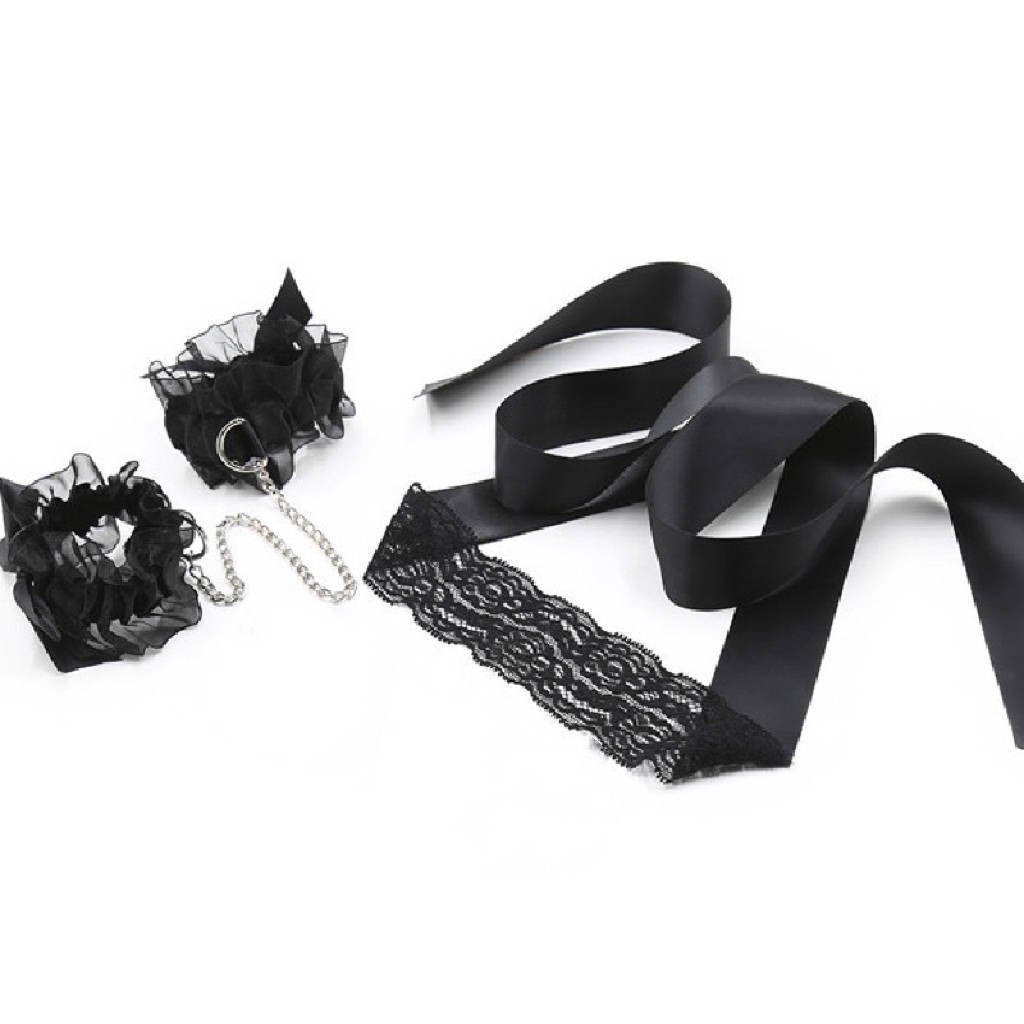
How to Experiment with Light Bondage at Home
Bondage—the practice of restraining a partner for sexual pleasure—is often one of the most intriguing yet intimidating aspects of kink exploration. The images that come to mind might involve complex rope work, elaborate equipment, or scenes from popular culture that seem far removed from everyday intimacy.
But here’s the truth: light bondage can be simple, safe, and deeply connecting. In fact, it’s one of the most accessible ways to explore power dynamics, deepen trust, and discover new dimensions of pleasure with a partner. Best of all, you can start with items you already have at home.
This guide will walk you through everything you need to know to experiment with light bondage safely and enjoyably.
What Is Light Bondage?
Light bondage refers to the consensual restraint of a partner using simple, non-restrictive methods. Unlike heavy bondage that might involve complex suspensions or intense restriction, light bondage focuses on:
- Temporary, easily removable restraints
- Sensual exploration rather than strict immobilization
- Building trust and communication
- Enhancing sensation through limited movement
The goal isn’t to completely immobilize your partner—it’s to create a dynamic where one person surrenders a degree of control, heightening anticipation, vulnerability, and intimacy.
Why Try Light Bondage?
1. Deepens Trust
Allowing yourself to be restrained requires profound trust in your partner. The experience of surrendering control—and having that trust honored—can strengthen your bond significantly.
2. Heightens Sensation
When one sense is restricted (movement), others become more acute. A simple touch feels more intense when you can’t see it coming or move away from it.
3. Creates Novelty
Even in long-term relationships, novelty is a key ingredient for maintaining sexual excitement. Bondage offers a new framework for familiar activities.
4. Builds Communication Skills
Successful bondage requires clear negotiation, safe words, and ongoing check-ins. These skills translate to all areas of your relationship.
5. Accessible and Affordable
You don’t need expensive equipment to start. Many effective bondage tools are already in your home.
The Foundation: Safety First
Before you tie anything, understand these essential safety principles.
The Safe Word System
In bondage, a simple “no” or “stop” might be part of the fantasy. You need a way to distinguish between playful resistance and genuine withdrawal of consent.
The traffic light system is widely used and effective:
| Word | Meaning |
|---|---|
| Green | Continue—I’m enjoying this |
| Yellow | Slow down, check in, I’m approaching a limit |
| Red | Stop immediately—all activity ends |
Choose safe words before any bondage play. Make sure both partners remember and agree to honor them without question.
Never Restrain Unattended
Never leave a restrained partner alone, even for a moment. If something goes wrong—panic attack, medical emergency, or simply needing to stop—they must have immediate access to help.
The “Scissors Rule”
Always have safety scissors (blunt-tipped medical shears) within arm’s reach during any bondage activity. If you need to release your partner quickly, cutting through restraints is faster than untying knots.
Check Circulation Regularly
If using any form of restraint:
- Check that fingers/toes remain pink and warm
- Ensure restraints are snug but not digging into skin
- Never leave restraints on for extended periods (15-20 minutes max for beginners)
Avoid the Neck
Never place anything around the neck—no scarves, ties, or ropes. Breath play is an advanced activity with significant risks. Stick to wrists and ankles for light bondage.
Know Your Partner’s Health
Before restraining:
- Ask about any joint issues, back problems, or circulation concerns
- Ensure your partner can communicate clearly throughout
- Check that they’re comfortable in the position you’re using
Household Items You Can Use
You don’t need expensive gear to start. Here are safe, accessible options:
Soft Fabric Restraints
Scarves (silk or soft cotton) are classic bondage tools. They’re comfortable, easy to tie, and look sensual.
How to use safely:
- Use wide scarves to distribute pressure
- Tie with simple knots that can be quickly undone
- Never tie so tightly that they dig into skin
Neckties work similarly. Choose silk or satin over rough fabrics.
Silk or Cotton Robe Belts
These long, soft straps are perfect for gentle wrist or ankle ties. They’re wide enough to be comfortable and long enough to attach to bedposts or furniture.
Soft Rope
If you want to try rope, start with:
- Cotton clothesline (soft, inexpensive)
- Silk rope (luxurious, gentle on skin)
- Velvet rope (soft, comfortable)
Avoid: nylon rope, plastic rope, or anything that could cause rope burn.
Under-Bed Restraint Systems
These inexpensive systems slide under your mattress and provide four adjustable cuffs. They’re:
- Easy to use without complicated knots
- Quick to release
- Comfortable and adjustable
Ties and Belts
Men’s dress ties and leather belts can work, but:
- Ensure belts are soft and not too narrow
- Never use belts with sharp buckles that could cause injury
- Always have safety scissors nearby
Simple Bondage Techniques
1. The Handkerchief Knot
For beginners, simple is best. A soft scarf tied loosely around the wrists with a double bow (like shoelaces) is easy to undo and comfortable.
How to tie:
- Fold a scarf lengthwise
- Wrap around both wrists
- Tie a simple overhand knot
- Tie a bow on top
- The bow should be easy to pull undone
2. Attachment to Furniture
For a more restrained feeling, attach scarves or belts to bedposts or sturdy furniture legs.
Safety tips:
- Ensure furniture is sturdy and won’t tip
- Attach to the frame, not the mattress alone
- Keep restraints loose enough for comfortable movement
- Always tie in a way that can be quickly released
3. The Quick-Release Knot
If using rope, learn one simple quick-release knot:
The slip knot:
- Make a loop with the rope
- Pass the working end through the loop
- Pull to tighten
- To release, simply pull the working end
This knot tightens when pulled but releases instantly when you pull the free end—perfect for safety.
4. Blindfolding
Blindfolds are a form of sensory bondage that require no physical restraint. A sleep mask, soft scarf, or even a clean silk tie can create the experience of surrender without any restriction.
Step-by-Step: Your First Bondage Experience
Before You Start: The Conversation
Set aside time outside the bedroom to talk:
- “I’ve been curious about trying light bondage. Is that something you’d be interested in exploring?”
- “What sounds exciting to you? What feels intimidating?”
- “What safe words should we use?”
- “Is there anything you absolutely don’t want to do?”
Step 1: Prepare Your Space
- Choose a comfortable, warm room
- Remove hazards (sharp objects, furniture corners)
- Have safety scissors nearby
- Have water and a light snack ready for after
- Dim the lights or use candles for atmosphere
Step 2: Start with a Blindfold
Before introducing physical restraint, try a blindfold:
- Ask your partner to lie comfortably
- Gently place the blindfold over their eyes
- Spend time touching, kissing, and teasing
- Notice how removing sight heightens other sensations
Step 3: Add Simple Wrist Restraint
Once comfortable with blindfolding:
- Use a soft scarf to loosely tie wrists together in front of the body
- Ensure the knot is easy to undo
- Continue sensual touch
- Check in: “How does this feel? Is the pressure okay?”
Step 4: Experiment with Positions
Try different restrained positions:
- Wrists above head (attached to bed frame)
- Arms behind back (increases vulnerability)
- Ankles together (creates a different dynamic)
Step 5: Debrief
After play, take time for aftercare:
- Remove restraints gently
- Cuddle and hold each other
- Talk about what worked and what didn’t
- Share what you’d like to try next time
Positions to Try
The Starfish
- Partner lies on back with arms and legs spread
- Each limb is loosely tied to bed corners or furniture
- Creates complete vulnerability while keeping movement possible
Hands Above Head
- Both wrists tied together and secured above the head
- Leaves the rest of the body free for exploration
- Works well with a headboard or bed frame
Hands Behind Back
- Wrists tied together behind the back
- Can be done sitting, standing, or lying on stomach
- Creates a feeling of surrender and exposes the front of the body
Spread Eagle
- Each limb tied separately to each bed corner
- Most restrictive but also most vulnerable
- Requires four points of attachment
Seated Bondage
- Partner sits on a chair or edge of bed
- Wrists tied behind back or to chair
- Good for oral sex or sensory play
Common Beginner Mistakes to Avoid
| Mistake | Why It’s Problematic | Better Approach |
|---|---|---|
| Tying too tightly | Can cut off circulation or cause nerve damage | Leave enough room to slide a finger between restraint and skin |
| Using knots you can’t undo quickly | Emergency release becomes impossible | Practice quick-release knots or use Velcro restraints |
| Skipping the safe word conversation | No way to distinguish play from genuine distress | Establish safe words before any play |
| Leaving the restrained partner alone | No way to get help if something goes wrong | Stay in the room at all times |
| Starting with complex rope work | Increased risk of injury or panic | Start with simple scarves or cuffs |
| Restraining while under the influence | Impaired judgment and reduced pain sensation | Only play when both are sober and clear-headed |
| Forgetting aftercare | Emotional drop without support | Plan time for cuddling and connection afterward |
Adding Sensation to Bondage
Once comfortable with basic restraint, you can layer in other sensations:
Temperature Play
- Warm cloths or cooling silk
- Ice cubes gently traced along skin
- Warm massage oil
Tickling and Feathers
- Feather ticklers
- Soft brushes
- Gentle fingertips
Impact Play (Light)
- Light spanking
- Soft paddles or floggers (if you have them)
- Always start with minimal force and increase gradually
Sensory Deprivation
- Combine bondage with blindfolds
- Add earplugs for deeper sensory restriction
- Focus entirely on touch
Aftercare: Essential for Bondage Play
Bondage can be emotionally intense. Aftercare is the intentional time spent reconnecting after play.
Aftercare Might Include:
- Removing restraints gently
- Cuddling or holding
- Warm blankets
- Water and snacks
- Quiet conversation
- Sharing what felt good
- Reassurance and praise
The dominant partner needs aftercare too. Taking responsibility for a partner’s safety and pleasure can be emotionally demanding. Both partners should feel cared for after play.
When Not to Try Bondage
Avoid bondage if:
- Either partner is under the influence of alcohol or drugs
- There’s unresolved conflict or tension in the relationship
- Either partner feels pressured or unsure
- There are physical conditions that affect circulation or joint mobility
- Either partner has a history of trauma that might be triggered
If you have concerns, consider consulting a sex therapist or attending a kink education workshop together.
Taking It Further
If you enjoy light bondage, consider:
Attending a workshop – Many cities offer rope bondage or kink education classes where you can learn safety techniques from experienced practitioners.
Investing in quality gear – Soft leather cuffs, silk ropes, or under-bed restraint systems are safer and more comfortable than household items.
Exploring the kink community – Local munches (casual social gatherings) offer opportunities to learn from experienced practitioners in safe, judgment-free spaces.
Final Thoughts
Light bondage is one of the most accessible entry points to kink exploration. With simple household items, clear communication, and attention to safety, you can transform your intimate life in ways that go far beyond the physical.
The true gift of bondage isn’t the restraint itself—it’s the trust it builds. When you give someone the power to restrain you—or accept the responsibility of restraining someone who trusts you completely—you create a foundation of vulnerability and care that deepens every aspect of your relationship.
Start slowly. Communicate constantly. Prioritize safety. And enjoy discovering this new dimension of intimacy together.
This article is for informational purposes only. Bondage carries inherent risks. Always prioritize safety, communication, and consent. If you have health concerns or past trauma, consider consulting a qualified professional before engaging in bondage play.





2 comments
MiaAuthor
Useful content
JjAuthor
I feel like I actually understand how to do this safely now.